The Secret to a Longer Lasting Roof: Why Proper Attic Ventilation Matters
When North Carolina homeowners think about their roofs, they usually picture the exterior shingles or metal panels fighting off the rain and sun. While high-quality roofing materials are essential for protecting your property, there is a hidden component that dictates exactly how long those materials will last: your attic ventilation.
Your roof does not just need to block the weather; it needs to breathe. Without proper airflow moving through your attic space, your roof can actually begin to destroy itself from the inside out. Whether you have a brand-new roof or an older system, understanding and optimizing your attic ventilation is the absolute best way to extend its lifespan, protect your home’s structural integrity, and lower your monthly energy bills.
What Exactly is Attic Ventilation?
Proper roof ventilation is a continuous system that allows outside air to enter the attic and hot, stale air to exit. This constant circulation prevents heat and moisture from becoming trapped in your upper levels.
A perfectly balanced system requires two main components:
- Intake Vents: Typically located at the lowest part of the roof under the eaves (soffit vents), these allow cool, fresh air to get sucked into the attic space.
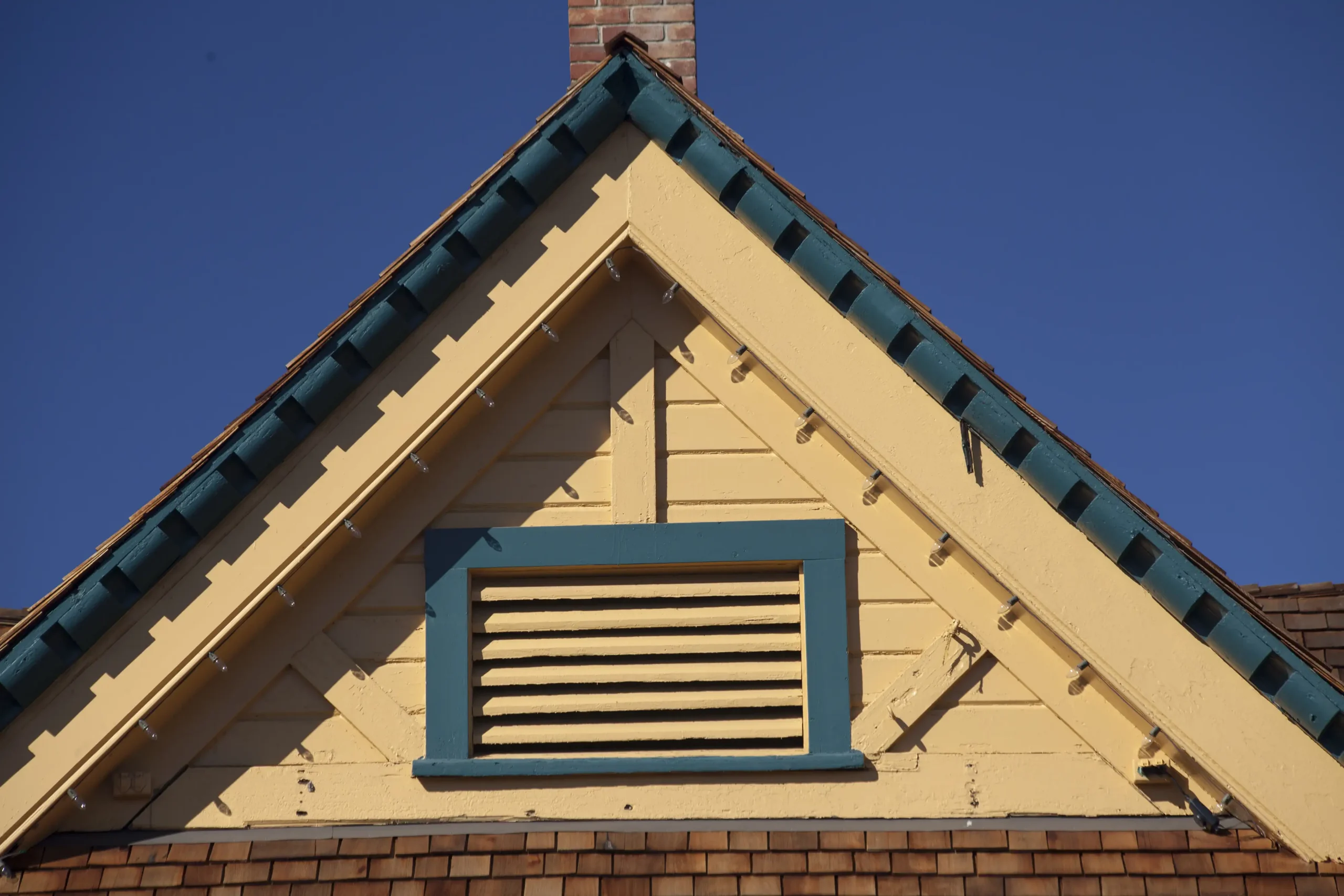
- Exhaust Vents: Positioned at the highest peak of the roof (ridge vents or gable vents), these allow the hot, rising air to escape freely into the atmosphere.
When these two elements work in harmony, the temperature and humidity levels inside your attic will closely mirror the conditions outside, which is exactly what your roof needs to survive.
How Poor Ventilation Destroys Your Roof in the Summer
During a sweltering North Carolina summer, the sun beats down on your roof for hours. If that heat cannot escape through exhaust vents, your attic essentially turns into an oven, with temperatures often soaring past 150 degrees Fahrenheit.
This extreme trapped heat has a devastating effect on your home:
- Baking the Shingles: The intense heat radiates directly into the wooden roof deck and up into the shingles. This literally bakes the asphalt from underneath, causing the shingles to blister, curl, and crack prematurely.
- Voiding Manufacturer Warranties: Because severe heat buildup dramatically accelerates the aging process of roofing materials, almost all shingle manufacturers will instantly void your warranty if they discover your attic lacks proper ventilation.
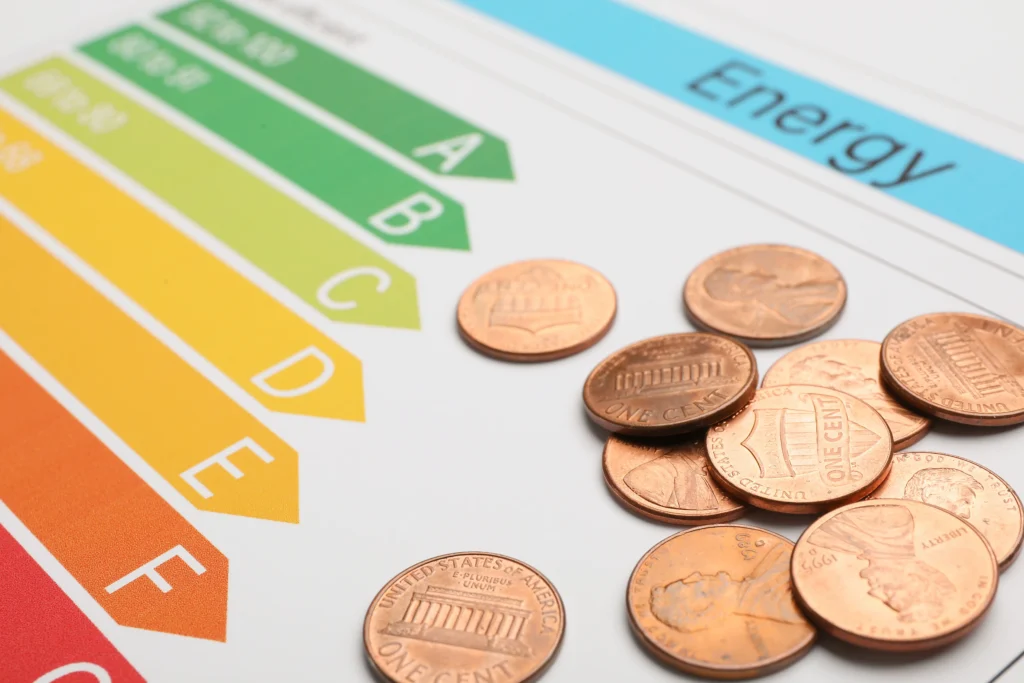
- Skyrocketing Energy Bills: When your attic is holding 150-degree heat, that thermal energy inevitably pushes down through your ceiling and into your living spaces. Your air conditioner is forced to run non-stop just to maintain a comfortable temperature, causing massive spikes in your summer energy bills.
The Winter Threat: Moisture and Wood Rot
While summer heat is a major issue, winter poses an entirely different threat: moisture. Every time you take a hot shower, boil water for pasta, or run the laundry, you generate warm, moist air inside your house. Because heat rises, this moisture travels up into your attic.
If you have poor attic ventilation during the colder months, that warm moisture hits the freezing cold underside of your roof deck and instantly turns into condensation. Over a single winter season, this trapped water can cause catastrophic damage:
- Wood Rot: The continuous condensation soaks into the wooden trusses and roof decking, leading to structural rot that can compromise the safety of your home.
- Toxic Mold Growth: Dark, damp, and warm environments are the perfect breeding ground for black mold and mildew, which can eventually spread into your home’s air supply.
- Soggy Insulation: When water drips onto your attic insulation, the insulation compresses and completely loses its thermal resistance (R-value).
4 Warning Signs Your Home Has Poor Attic Ventilation
You do not necessarily need to climb into your attic to know there is a airflow problem. Watch out for these four common red flags:
- Wavy or Curling Shingles: If your roof looks distorted from the driveway, the shingles are likely being baked from the inside.
- Unexplained Spikes in Utility Bills: If your cooling costs are much higher than your neighbors’, trapped attic heat is likely the culprit.
- Rust on Attic Nails: If you do pop your head into the attic and see rusty nails sticking through the roof deck, or rust on your HVAC ductwork, condensation is actively forming.
- Ice Dams: During rare winter freezes, poor ventilation melts the snow on the roof’s peak, which then refreezes at the colder eaves, forming heavy, damaging ice dams.
Protect Your Investment with Divine Roofing LLC
Your roof is one of the most significant financial investments you will make in your home. Do not let poor airflow cut its lifespan in half. Upgrading your attic ventilation is a highly cost-effective exterior home maintenance strategy that pays for itself in extended roof life and energy savings.
At Divine Roofing LLC, we understand that a roof is a complex, interconnected system. With over 20 years of hands-on experience and an A+ rating from the BBB, we provide expert roofing services across Shelby, NC, Denver, NC, and the surrounding areas. When we inspect your home, we do not just look at the shingles—we evaluate your entire ventilation system to ensure your property is protected year-round.
Ready to get started? Contact Divine Roofing LLC today at (704) 530-6067 or request your free, no-obligation quote online. Let us be your trusted partner for all your home improvement needs!